Europe MRO Sourcing: What U.S. Procurement Teams Should Know Before They Commit
Europe MRO sourcing keeps coming up in conversations with U.S. procurement managers, and for good reason. Domestic lead times on certain spare parts have stretched out, OEM pricing on legacy automation components keeps climbing, and plant managers are tired of being told a critical sensor is "on backorder, no ETA." When the usual suppliers can't deliver, teams start looking east across the Atlantic, and Europe's industrial supplier base is deep enough to be worth the look.
This isn't a pitch for switching your entire supply base overnight. It's a look at what actually works, what tends to trip people up, and how experienced procurement teams handle the transition without creating new headaches.
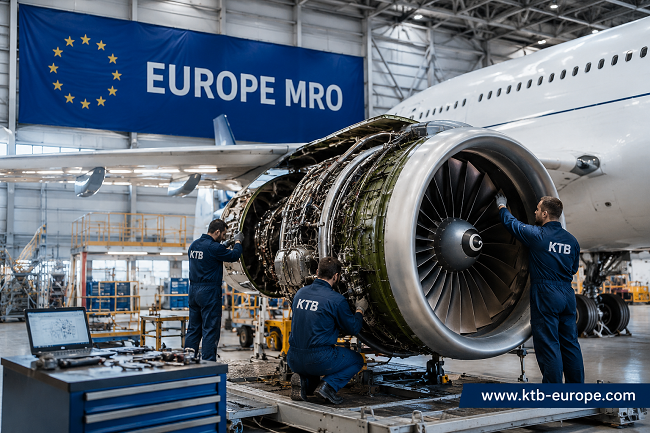
Why U.S. Buyers Are Looking at Europe MRO Sourcing in the First Place
Most conversations start the same way. A maintenance manager needs a replacement part for a machine that's ten or fifteen years old, built by a European OEM, and the domestic distributor either doesn't stock it or wants six weeks and a premium markup for something that should be routine.
European manufacturers built a lot of the automation equipment running in American plants today — Siemens drives, Festo pneumatics, SEW-Eurodrive gearmotors, Bosch Rexroth hydraulics, ABB and Schneider components integrated into control panels assembled decades ago. When that equipment needs a part, the shortest path is often back to the region where it was engineered, not through three layers of U.S. distribution markup.
There's also a reliability angle that doesn't get talked about enough. A production line waiting on one unavailable sensor can lose far more in downtime than the part itself would ever cost. Reliability engineers know this math cold. It's why some plants keep a short list of overseas suppliers on file even when domestic sourcing works fine for 90% of their needs — the other 10% is where things get expensive fast.
Where Europe MRO Sourcing Actually Helps
It's not a universal fix. Sourcing spare parts from Europe makes the most sense in a few specific situations:
-
Legacy and obsolete components. If a part has been discontinued by the North American distributor but the OEM's home market still services it, European channels frequently have stock or can source it through the original manufacturer's regional network.
-
OEM-specific automation parts. Drives, PLCs, servo motors, and pneumatic components from European manufacturers often move faster through European distribution than through a U.S. subsidiary that's several supply tiers removed from the factory.
-
Cost-sensitive bulk procurement. For facilities running standardized equipment across multiple sites, sourcing certain component families directly from European suppliers can reduce per-unit costs, particularly once volume justifies the additional logistics coordination.
-
Supplier diversification. Manufacturing engineers responsible for risk management increasingly want a second or third qualified source for critical spares. Relying on a single domestic distributor for a part that keeps a production line running is a bet a lot of plants aren't willing to make anymore.
Where it doesn't help as much: low-cost, high-availability consumables that are already well-stocked domestically. Freight and customs costs eat any savings on cheap, bulky items. Know which category a part falls into before you go looking overseas.
The Practical Challenges Nobody Mentions Up Front
Here's where a lot of first attempts at European sourcing go sideways.
Supplier qualification is harder from a distance. You can't easily walk a European supplier's floor before placing an order. Certifications, quality documentation, and traceability records need to be verified through other means — audit reports, ISO documentation, references from other buyers who've used them.
Freight and customs add real lead time and real cost. Air freight on urgent parts isn't cheap, and sea freight, while cost-effective, isn't fast. Import duties, customs brokerage, and compliance documentation (especially for parts touching food processing, pharmaceutical, or aerospace applications) all need to be planned for, not discovered after the shipment is stuck at port.
Technical specifications don't always translate cleanly. Voltage standards, connector types, thread specifications, and even documentation conventions differ between European and North American practice. A part number match doesn't guarantee a drop-in fit. Someone on the buying side needs to confirm compatibility before the PO goes out, not after the part arrives and doesn't fit the housing.
Communication and time zones slow things down. A six-to-nine hour time difference means a same-day question can turn into a next-day answer. For urgent MRO needs, that lag matters.
None of these are reasons to avoid Europe MRO sourcing. They're reasons to have a process — and ideally a partner — that already knows how to navigate them.
How Experienced Teams Structure European Procurement
Plants that source successfully from Europe tend to do a few things consistently.
They separate urgent, line-down sourcing from planned, strategic sourcing. Emergency parts get expedited freight and a premium is accepted as the cost of avoiding downtime. Planned inventory replenishment gets consolidated into larger, less frequent shipments to control freight costs.
They maintain a qualified supplier list rather than sourcing ad hoc for every order. Once a European supplier has passed quality and documentation checks, reordering through them is fast. Starting from scratch each time isn't.
They work with intermediaries who understand both markets — procurement partners who can validate specifications, manage customs documentation, and consolidate shipments from multiple European suppliers into a single import. This is often where a company like KTB Europe fits into the picture: acting as the sourcing and logistics layer between a U.S. facility's parts list and Europe's manufacturer and distributor network, so the plant isn't managing five separate supplier relationships and five separate customs entries for one order.
They also build in lead time buffers for European-sourced spares in their inventory planning. Treating a European-sourced critical part the same way as a next-day domestic order sets up disappointment. Building realistic lead times into MRO inventory models — and holding slightly more safety stock on the parts that matter most — solves that problem before it becomes a production issue.
Industries Where This Matters Most
Automotive plants running European-built robotics and conveyor automation see this constantly — a single obsolete drive can hold up a whole cell. Packaging operations using German or Italian filling and labeling equipment run into the same pattern with proprietary parts. Food processing and pharmaceutical facilities often have European-engineered process equipment where compliance documentation for replacement parts matters as much as the part itself. Chemical and oil and gas facilities with European-sourced instrumentation and valve actuators face long domestic lead times on niche components that European suppliers stock as a matter of course. Aerospace and energy sectors deal with tightly specified components where supplier qualification simply takes longer, regardless of geography.
FAQ: Europe MRO Sourcing for U.S. Facilities
Is Europe MRO sourcing worth it for a single plant, or only for multi-site operations?
It can work for either. Single-plant facilities usually benefit most when sourcing legacy or OEM-specific parts that domestic channels can't supply quickly. Multi-site operations gain additional leverage through consolidated volume.
How long does European MRO shipping typically take?
Air freight for urgent parts generally runs several days door-to-door once customs clearance is factored in. Sea freight for planned, non-urgent orders takes considerably longer but costs less per unit. Timelines vary by supplier location, part complexity, and customs requirements.
Do European spare parts meet U.S. compliance and safety standards?
Many do, particularly from established OEMs already selling into the U.S. market. Compliance still needs to be verified part by part, especially for regulated industries like food processing, pharmaceutical, and aerospace, where documentation requirements are strict.
What's the biggest mistake U.S. buyers make with European sourcing?
Treating it exactly like domestic procurement. Skipping supplier verification, underestimating lead times, or assuming a part number match guarantees fit are the most common ways a European sourcing effort goes wrong.
Europe MRO sourcing isn't a replacement for a solid domestic supply base — it's a way to close the gaps that domestic sourcing can't. For obsolete parts, OEM-specific automation components, and supplier diversification on critical spares, it's a tool worth having in the procurement toolkit, provided the freight, compliance, and supplier qualification work gets done properly upfront.
Teams that treat it as a long-term sourcing strategy, rather than a one-time emergency fix, tend to get the most value out of it. KTB Europe is one example of a procurement partner built specifically around that gap — connecting U.S. facilities with vetted European manufacturers and distributors for MRO and automation parts, without the buyer having to manage every supplier relationship and customs detail independently.